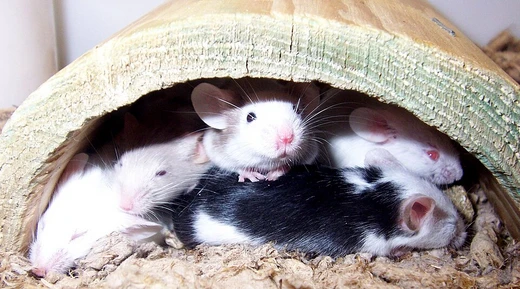
Gopher
Burrowing rodents of North and Central America.

VSerebrenikov · CC BY 4.0
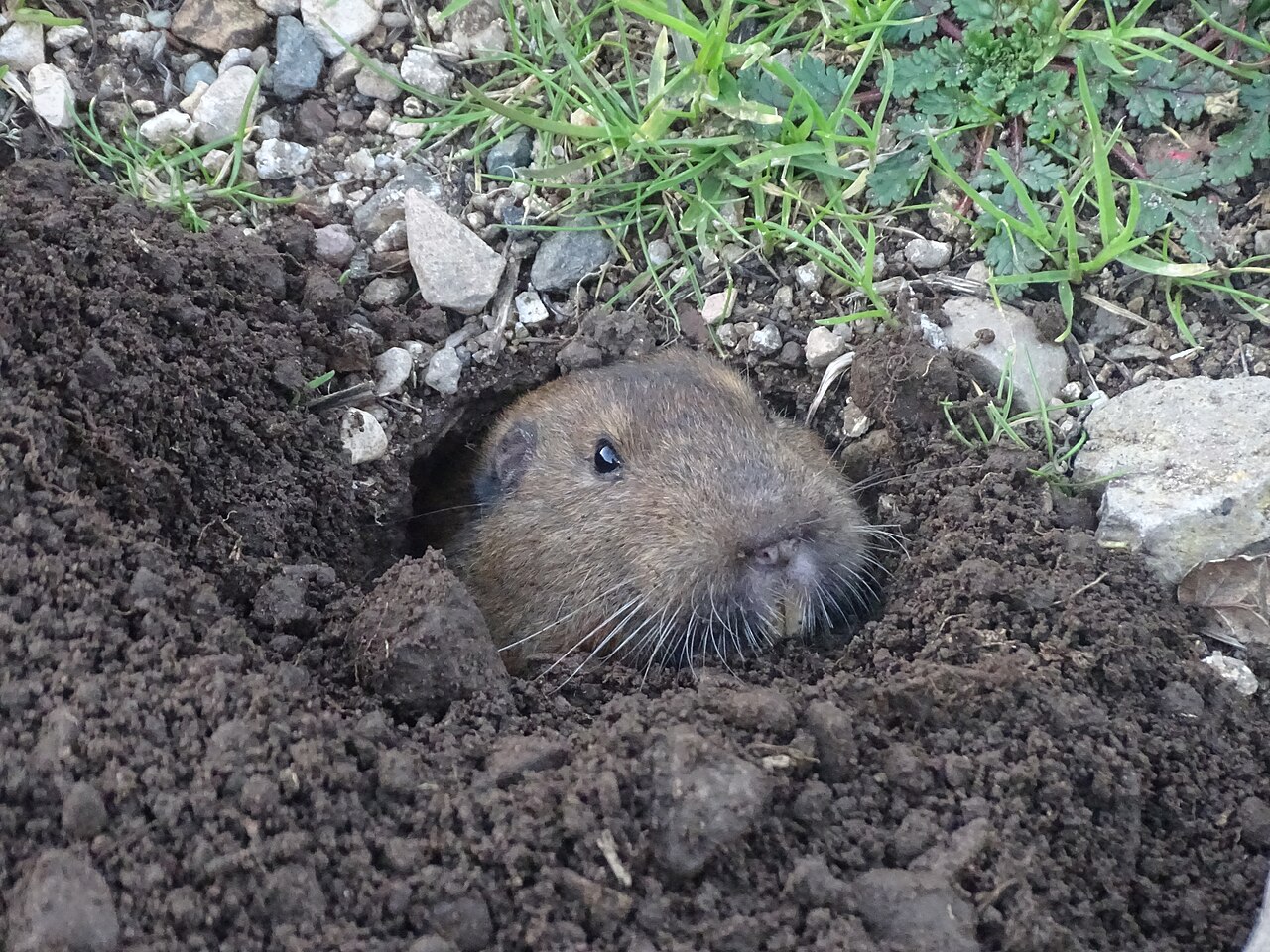
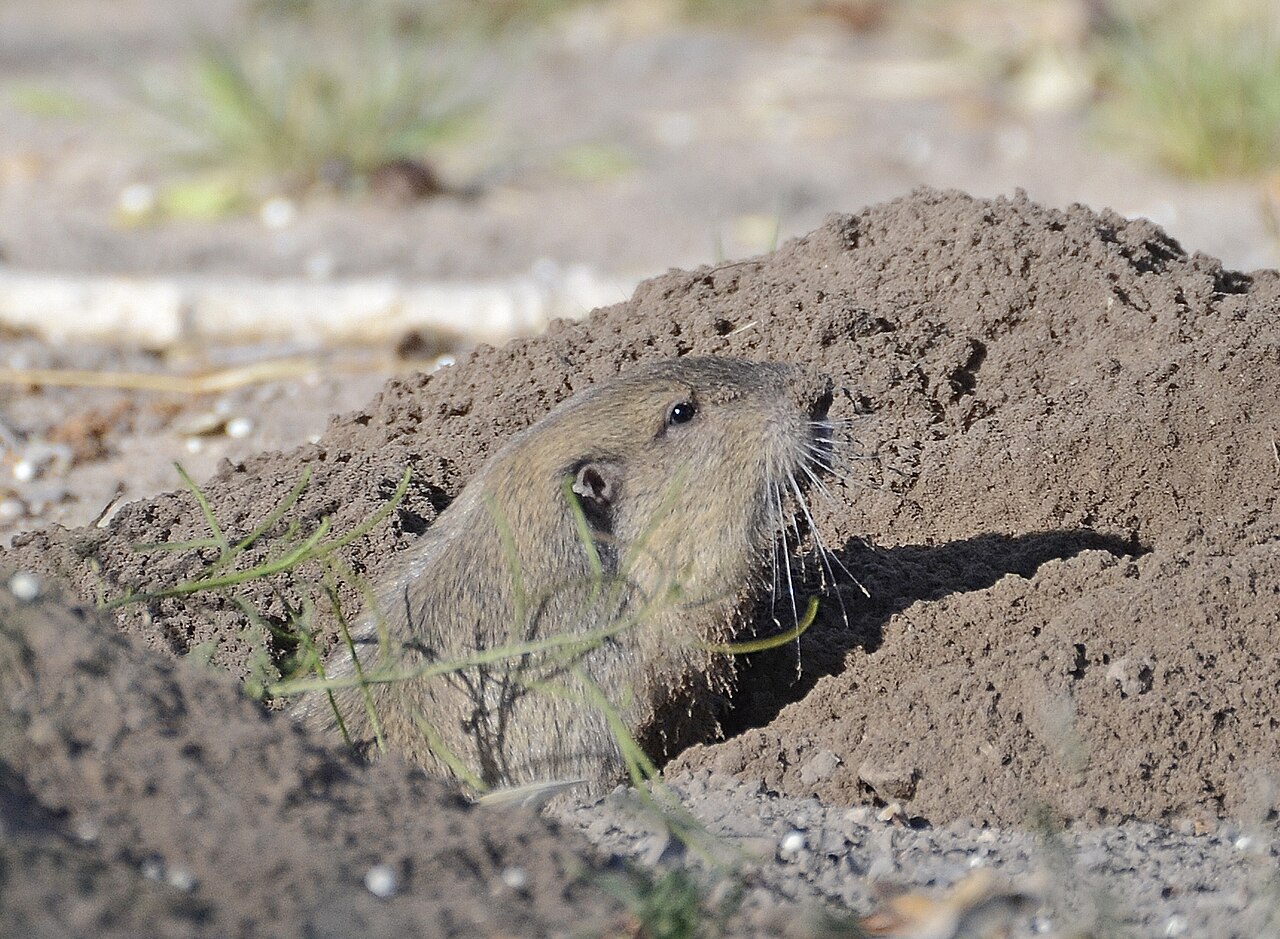
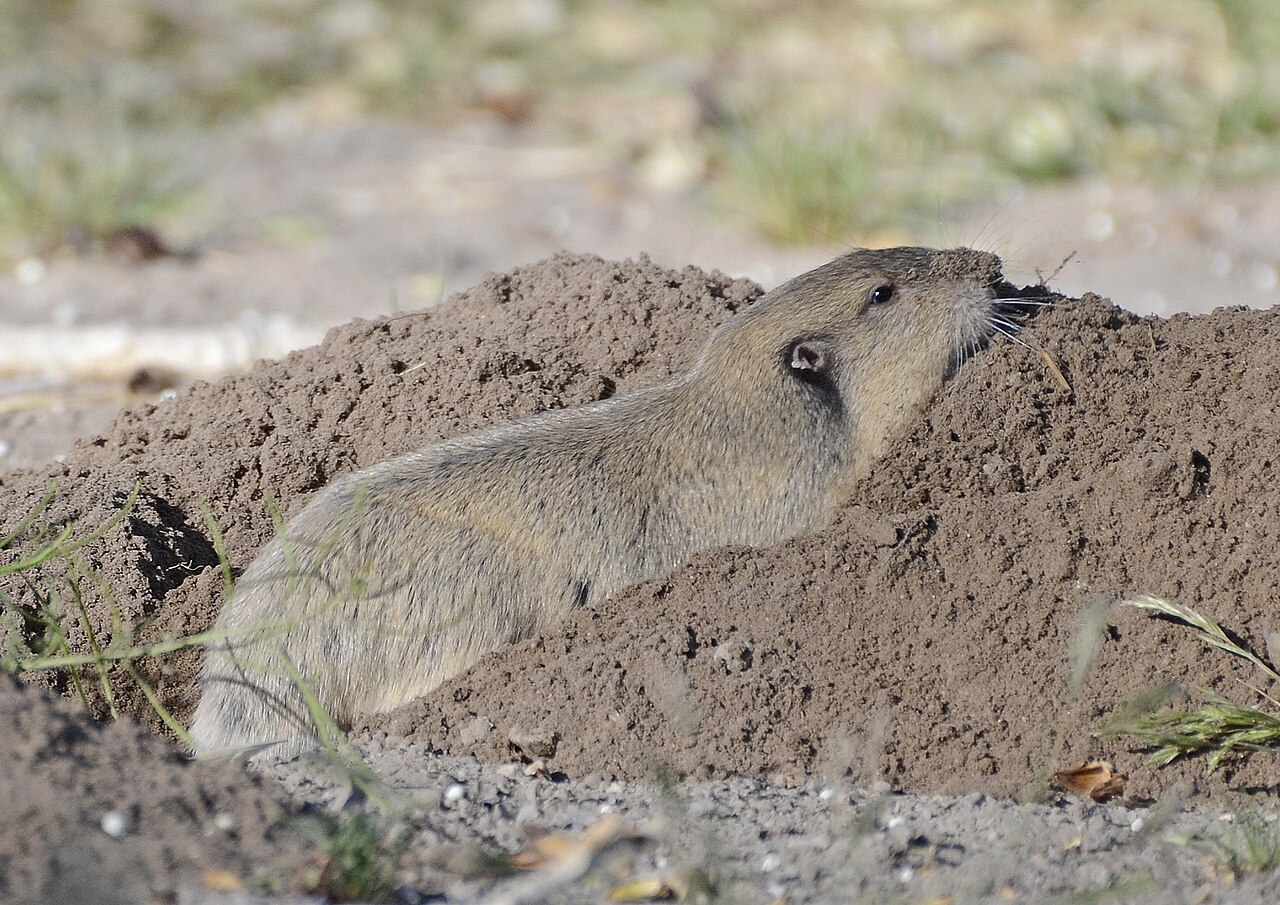
Pocket gophers are burrowing rodents that belong to the family Geomyidae. There are about 41 species, and they are found only in North and Central America. They are best known for digging extensive tunnel networks, which often leads to them damaging farms and gardens. The term "pocket gopher" can refer to any of several genera within Geomyidae—these are the "true" gophers—but some ground squirrels from the separate family Sciuridae are also called gophers. The word's origin is unclear; it might come from the French *gaufre* (waffle), because gopher tunnels resemble a waffle's honeycomb pattern, or from a Muskogean language. These rodents weigh about 200 grams (half a pound) and measure 15–20 cm (6–8 inches) in body length, with a tail of 2.5–5 cm (1–2 inches). A few species can reach nearly 1 kg (2.2 pounds). Males are larger than females, sometimes nearly double the weight. Their average lifespan is one to three years, with a maximum of about five years, though some in the genus *Geomys* have been documented living up to seven years in the wild. Most have brown fur that matches the soil where they live. Their most distinctive feature is the large, fur-lined cheek pouches—the source of the name "pocket"—which can be turned inside out and extend from the mouth back to the shoulders. They have small eyes and a short, hairy tail used to feel their way when walking backward in tunnels. Gophers commonly carry external parasites like lice, ticks, fleas, and mites, and are preyed upon by weasels, snakes, and hawks. All pocket gophers dig tunnel systems for protection and food collection. They are larder hoarders, using their cheek pouches to carry food back to their burrows, where they can amass large stores. Unlike ground squirrels, they do not live in large communities and rarely come above ground. Tunnel entrances are marked by small piles of loose soil. They prefer soft, moist soil, which is why they often visit vegetable gardens, lawns, and farms—making them common pests. They eat plant roots, shrubs, and juicy vegetables like carrots, lettuce, and radishes. Some species are agricultural pests, and their feeding can leave areas of bare soil. However, their digging also turns over soil, helping early-succession plants establish, and the decomposition of stored plant material deepens soil fertility. Outside of breeding season, gophers are solitary and aggressi
- weight
- around 200 g (1⁄2 lb), with some species approaching 1 kg (2.2 lb)
- body_length
- 15–20 cm (6–8 in), tail 2.5–5 cm (1–2 in)
- lifespan
- average 1–3 years; maximum about 5 years; some Geomys up to 7 years
- field
- Rodentia, family Geomyidae
- known_for
- Extensive tunneling, large cheek pouches, and agricultural pest status
Lore & Background
Pocket gophers are solitary, aggressive burrowers that create extensive tunnel networks for protection and food storage. They are larder hoarders, using their fur-lined cheek pouches to transport plant roots, shrubs, and vegetables such as carrots, lettuce, and radishes back to their burrows. Males are larger than females, sometimes nearly double their weight, and both sexes maintain individual tunnel systems, though males and females may share burrows if territories border each other. They have small eyes, a short hairy tail used for feeling when walking backwards, and brown fur that often matches the soil color. When threatened, they may bite defensively if handled or cornered, but they are not known to actively attack larger animals or humans.
Reader's Guide
Pocket gophers are significant both as agricultural pests and as ecological engineers. Their tunneling damages farms, gardens, and lawns, especially in moist soil, leading to denuded soil patches. However, their soil disturbance can promote early ecological succession of r-selected and ruderal plant species, and the decomposition of stored plant material deepens soil fertilization. The origin of the word 'gopher' is uncertain, with suggestions including the French gaufre ('waffle') due to tunnel patterns, or a Muskogean origin. Taxonomically, the classification of pocket gophers remains debated, with some genera treated as subgenera by different authors. In popular culture, Minnesota is nicknamed the 'Gopher State' (though its mascot is a ground squirrel), and gophers appear in Disney's Winnie the Pooh, the film Caddyshack, and the Looney Tunes franchise.
Did You Know?
- Pocket gophers have fur-lined cheek pouches that can be turned inside out and extend from the side of the mouth back onto the shoulders.
- The name 'gopher' may derive from the French word gaufre, meaning 'waffle', due to the honeycomb-like pattern of their tunnels.
- Some gophers in the genus Geomys have been documented living up to seven years in the wild.
- Pocket gophers are solitary outside of breeding season and aggressively maintain individual territories.
Anatomy of a Burrower
Pocket gophers are compact, sturdy rodents typically weighing around half a pound, with body lengths between six and eight inches and a short, hairy tail measuring roughly one to two inches. A handful of species push closer to two pounds, and within any given species, males routinely outweigh females by nearly a factor of two. Their average lifespan hovers between one and three years, though the upper limit sits around five, and certain members of the genus Geomys have been documented surviving as long as seven years in the wild.
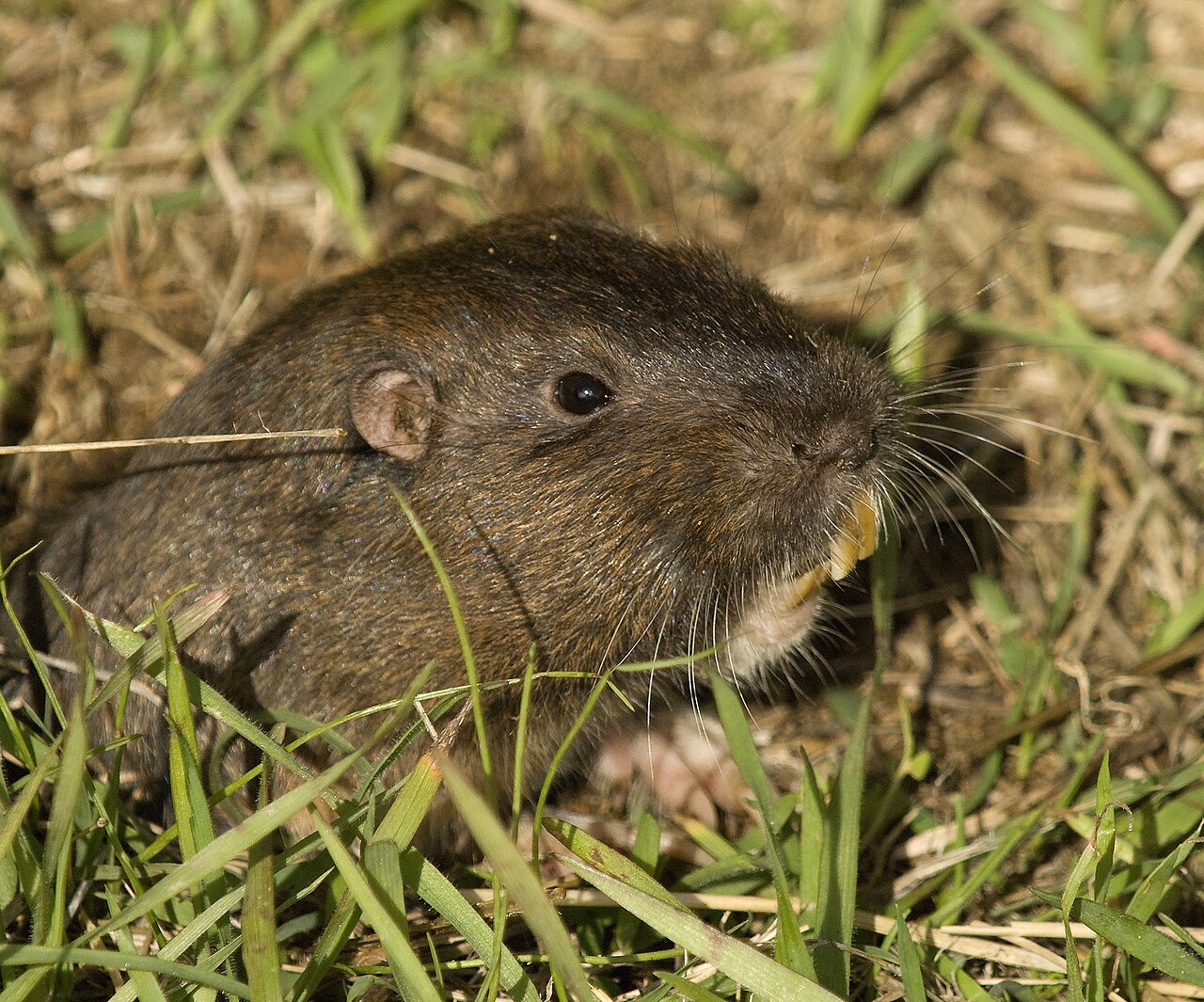
Their most immediately striking trait is the pair of large, fur-lined cheek pouches that give the animal its common name. These elastic sacs stretch from the corners of the mouth well back onto the shoulders and can even be turned inside out. The rest of the body is built for subterranean life: small eyes, a short tail used as a tactile sensor when the gopher walks backward through its tunnels, and a coat of brown fur that blends almost seamlessly with the surrounding soil. Lice, ticks, fleas, and mites are common external parasites, while weasels, snakes, and hawks represent the primary above-ground predators.
Engineers of the Underground
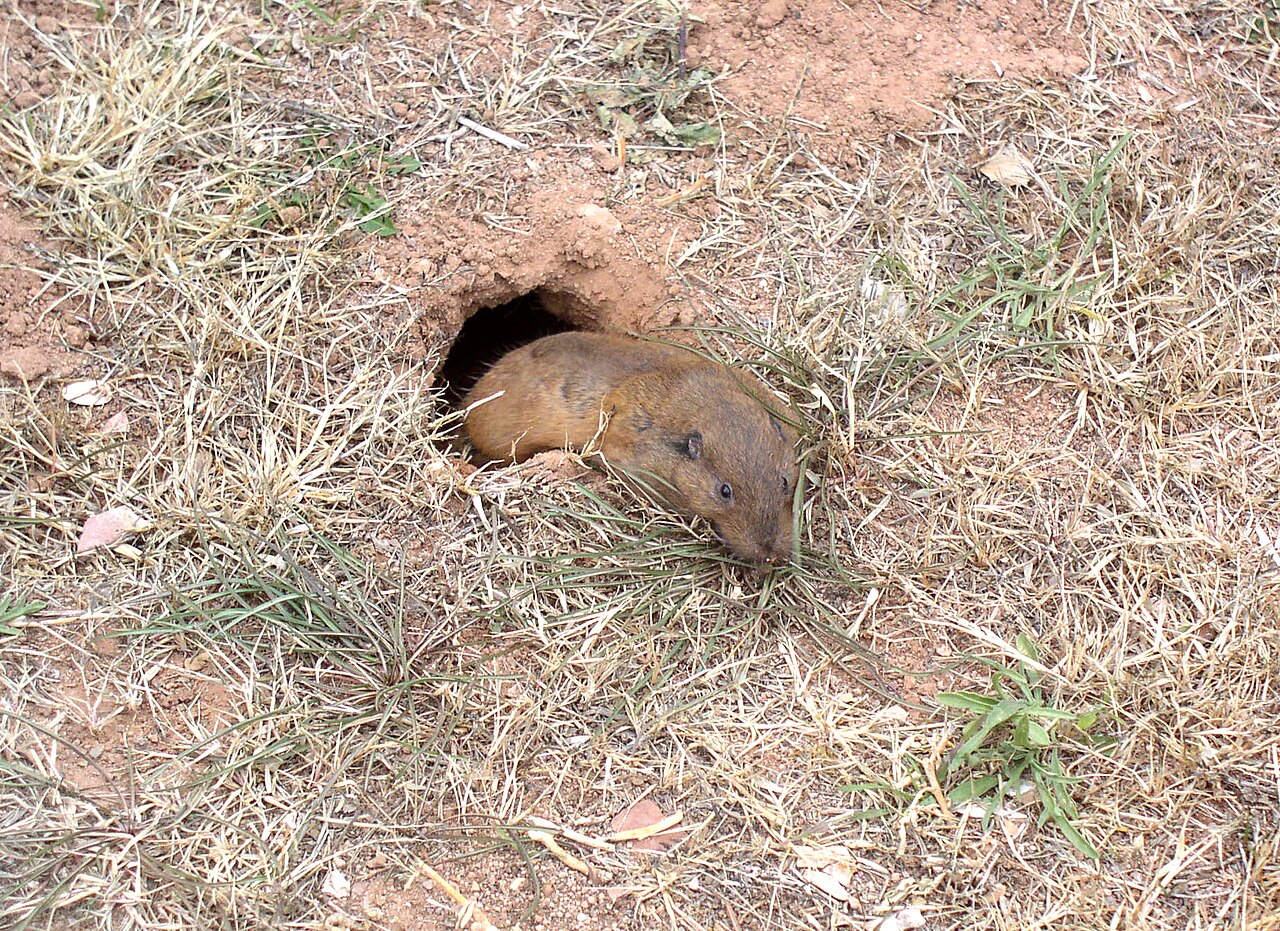
Every pocket gopher excavates an intricate network of tunnels that serves as both shelter and larder. Using those remarkable cheek pouches, the animal hauls plant material—roots, shrubs, carrots, lettuce, radishes, and other juicy vegetables—back to underground storage chambers where it can accumulate substantial hoards. Unlike the more social ground squirrels, gophers rarely surface and almost never form colonies; each individual maintains its own private tunnel complex, marked at ground level by small mounds of displaced soil.
The relationship between gophers and the land above is genuinely dual. On one hand, their appetite for garden crops and farm vegetation has earned them a reputation as agricultural pests, leaving patches of bare, denuded earth in their wake. On the other hand, the constant turning over of soil creates conditions that accelerate early ecological succession, giving fast-growing ruderal and r-selected plant species a foothold. The decomposition of stashed plant matter deep within the burrows also acts as a natural fertilizer, enriching the soil in ways that benefit the broader ecosystem.
Solitary Life and the Breeding Season
Outside of the breeding period, the pocket gopher is a fiercely territorial loner. Each animal defends its own tunnel system, and the size of that territory shifts according to how much food and suitable soil are available in the area. In rare cases where two territories happen to border one another, a male and a female may share a few burrow passages or nesting chambers, but the fundamental rule remains: one gopher, one underground domain.
When threatened, a gopher will first try to flee, but it is far from harmless. Its long, sharp teeth can deliver serious bites to cats, humans, and other intruders. Predation pressure from weasels, snakes, and hawks keeps populations in check, and the average individual lives only one to three years.
Reproduction varies by species and local climate. Some gophers confine breeding to a single annual season, while others produce litters repeatedly throughout the year. A typical litter contains two to five young, though certain species can produce more. The newborns arrive blind and completely helpless, and they are not weaned until they are roughly forty days old.
A Family Spread Across Two Continents
Roughly forty-one species of pocket gopher are known, all native exclusively to North and Central America. They belong to the family Geomyidae, divided among several genera, each occupying a different slice of the continent. The genus Geomys, often called eastern pocket gophers, is concentrated in the southwestern United States east of the Sierra Nevada. Heterogeomys, the so-called giant pocket gophers or taltuzas, ranges through Mexico, Central America, and into Colombia. Orthogeomys is found in Guatemala, Honduras, and Mexico, while Pappogeomys is restricted to Mexico. The western pocket gophers of the genus Thomomys enjoy the broadest distribution, stretching from the northwestern United States and Canada down into the southeastern United States.
Taxonomists continue to debate which subspecies warrant full species status, leaving any checklist provisional. The common name "gopher" itself has murky roots: one theory links it to the French word gaufre, meaning waffle, because the honeycomb pattern of tunnel openings resembles the holes in a waffle; another points to a Muskogean linguistic origin. Several ground squirrels in the unrelated family Sciuridae are also colloquially called gophers, compounding the confusion. New Zealand classifies Geomys and Thomomys as prohibited organisms under its 1996 Hazardous Substances and New Organisms Act, barring their import.
Gallery
Frequently Asked Questions
What is a pocket gopher?
A pocket gopher is a small burrowing rodent in the family Geomyidae, recognized for its large cheek pouches and sprawling underground tunnel networks. Roughly 41 species are known, all native to North and Central America.
How big do pocket gophers get?
Most species weigh around 200 grams (about half a pound) and measure 15 to 20 cm in body length, with a short 2.5- to 5-cm tail. Heavier species can approach 1 kg (2.2 lb).
Why are pocket gophers considered agricultural pests?
They excavate extensive tunnel systems that undermine crops, lawns, and garden beds, and the mounds of displaced soil they push to the surface are a common nuisance for farmers and gardeners alike.
How long do pocket gophers live?
Typical individuals survive one to three years in the wild, with a maximum around five years. Some members of the genus Geomys have been documented reaching seven years.
Where does the word 'gopher' come from?
The exact etymology is uncertain, but one widely cited theory traces it to the French word 'gaufre' (waffle), a reference to the grid-like, honeycomb pattern that gopher tunnel networks create just below the soil surface.
More in Rodents And Small Mammals 1-18
Spotted an error? Know more?
This is a living reference — every entry is fact-audited, and reader corrections feed straight into our audit queue. Suggest an edit · See this site's audit record